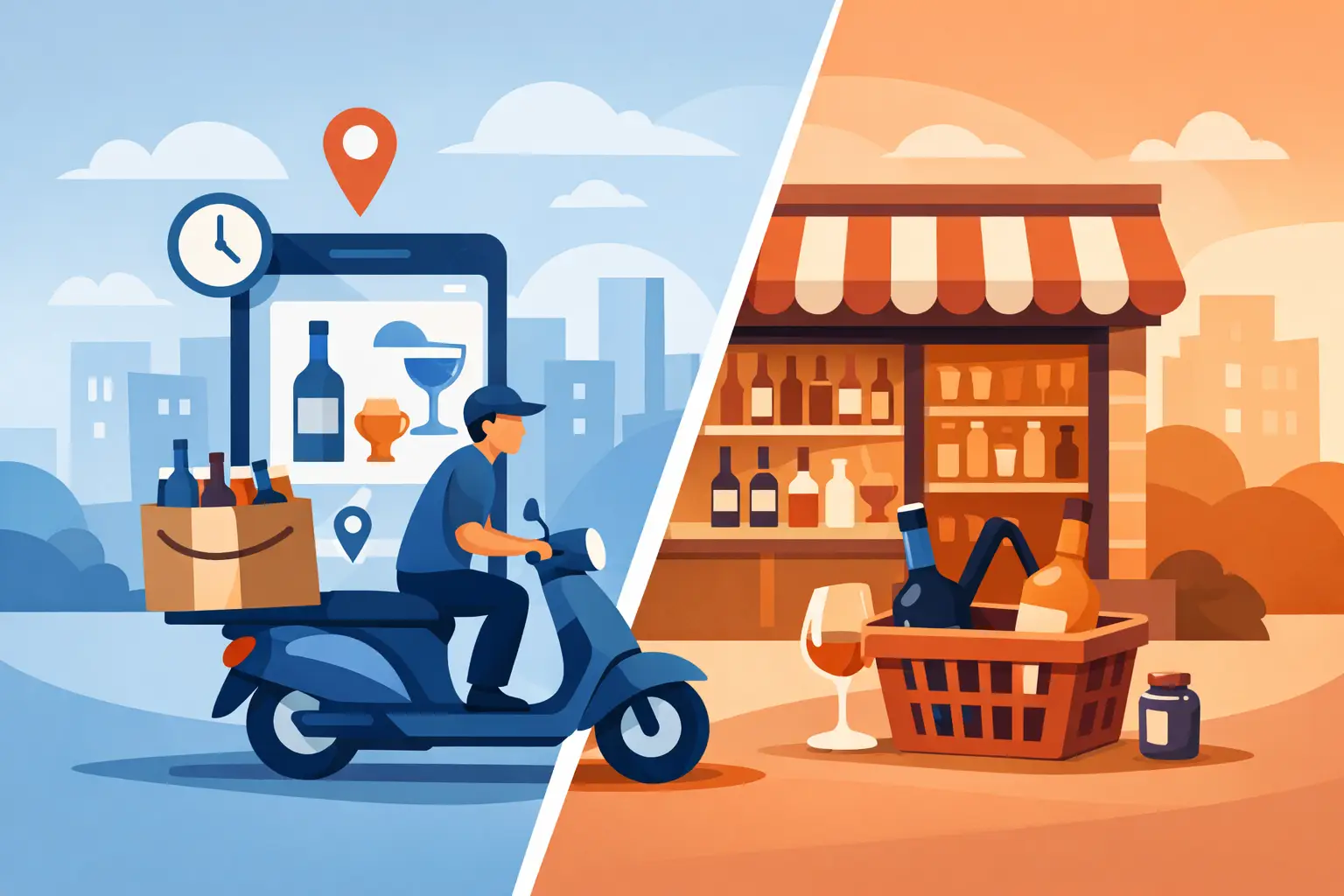
You notice it when the night is already moving. The beer is low, someone wants tequila, and the closest shop is either closing, already closed, or not worth the trip. That is where delivery service versus liquor store stops being a general question and becomes a real decision about time, effort, and whether the night keeps going.
For some orders, a liquor store still makes perfect sense. If you want to browse shelves, compare labels, or pick up a specific bottle during normal business hours, going in person can be the better call. But if the priority is speed, late-night access, and not leaving home, delivery usually wins by a mile.
Delivery service versus liquor store: what actually matters
Most people do not compare these options in a vacuum. They compare them in a specific moment. Maybe you are hosting friends, getting home after a late shift, or realizing at 11:30 PM that you are out of wine, mixers, or both. In that moment, the real factors are simple: how fast you can get what you need, how much work it takes, what it costs, and whether the service is even available when you need it.
A liquor store is built for retail shopping. You go there, walk the aisles, wait in line, pay, and bring everything back yourself. That works well if you are already out, have time, and want to choose from a full shelf set.
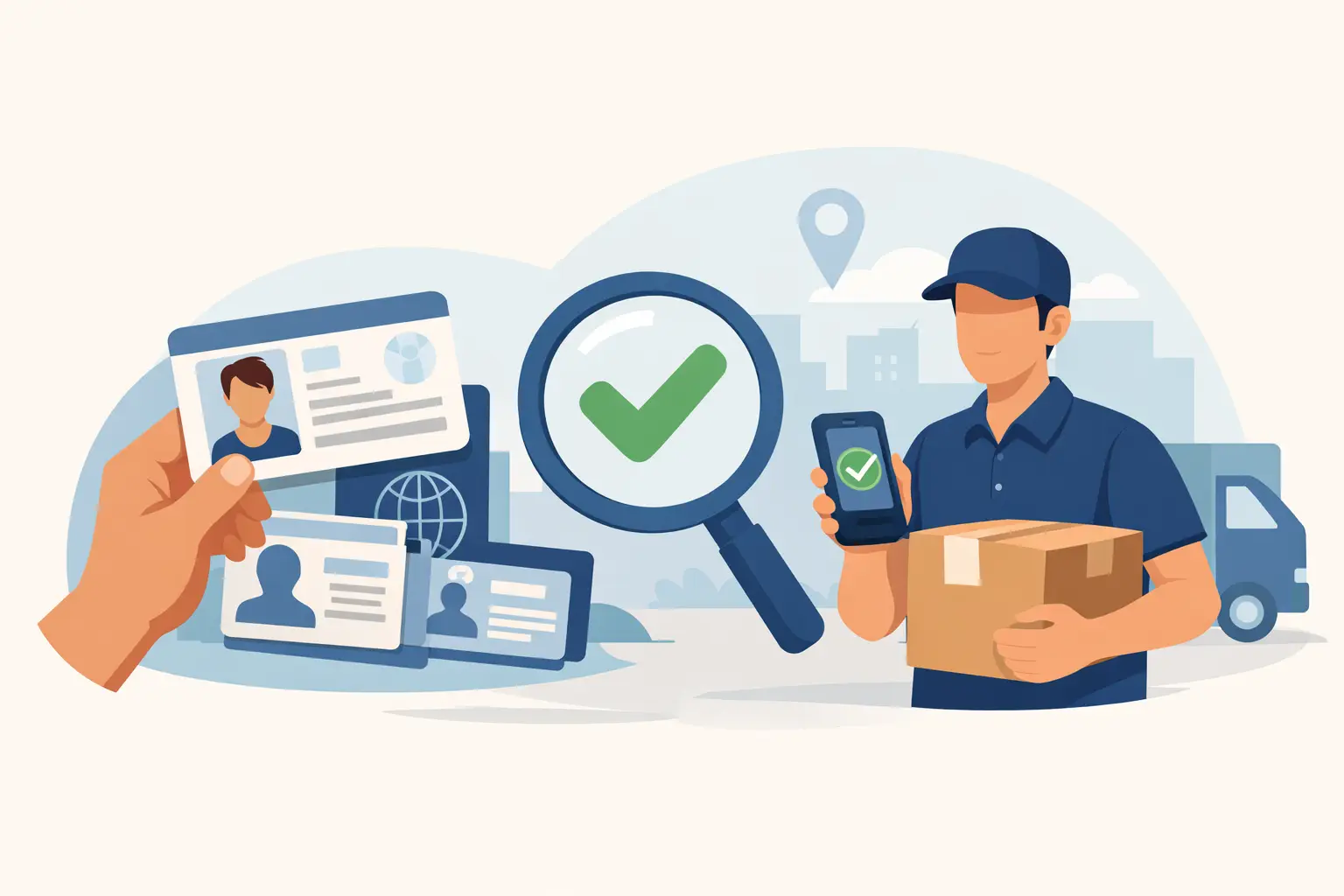
An alcohol delivery service is built for access and convenience. You place the order, confirm payment, show ID when it arrives, and get back to your evening. If the service runs late at night, that changes the comparison even more because the main advantage is not just convenience. It is availability when stores are shut.
When a liquor store makes more sense
There is no point pretending delivery is better for every single situation. It depends on what you need.
If you are shopping in the afternoon and want to compare options side by side, a liquor store gives you a more traditional retail experience. You can scan labels, look for specialty products, and decide on the spot. That can be useful for planned purchases, gifts, or times when brand choice matters more than speed.
Price can also feel more straightforward in-store. You see the shelf price, pay, and leave. With delivery, there may be service fees or minimums depending on the order and time. If you are buying one small item and the store is five minutes away, picking it up yourself may be the cheaper option.
Some customers also just prefer doing their own shopping. They want full control over the selection process and do not mind the trip. Fair enough. Delivery is not trying to replace every store visit. It is solving a different problem.
When delivery clearly wins
Delivery starts pulling ahead when time matters more than browsing. If you are mid-event, at home, or do not want to interrupt the night, the value is obvious. You are not getting in a car, finding parking, standing in line, or carrying cases back upstairs.
That matters even more late at night. Once traditional stores close, the comparison changes fast. At that point, a delivery service is not just the convenient option. It may be the only practical option.
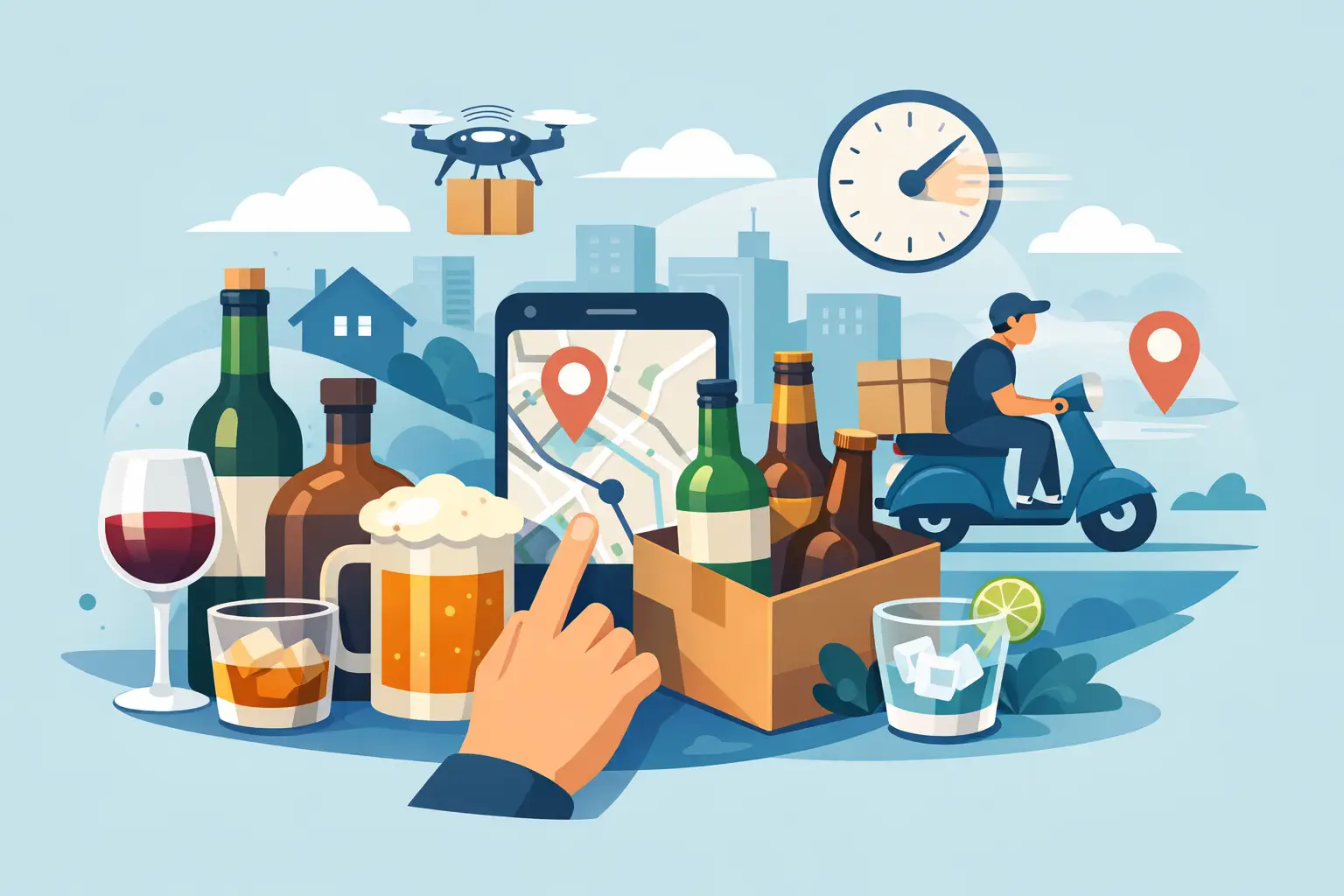
This is especially true for party hosts, group hangouts, shift workers, and anyone ordering after regular retail hours. A fast service that takes orders by call or text removes friction. You do not need to open ten tabs, create an account, and work through a long checkout flow. You just place the order and get an ETA.
That is the lane where a service like ASAP Alcohol stands out. It is built for people who need drinks delivered now, not tomorrow and not during a neat little daytime delivery window.
Speed is usually the deciding factor
If you strip the choice down to one question, it is usually this: how long will this take me from start to finish?
A liquor store run is not just the drive. It is getting ready, going out, travel time, parking, shopping, paying, and coming back. Even a quick run can turn into 30 to 45 minutes, sometimes longer depending on traffic, distance, and the time of night.
A delivery service adds waiting time, but it removes almost everything else. If delivery lands in roughly 30 to 60 minutes, that is often competitive with an in-person trip and a lot easier. You stay where you are. The event keeps going. Nobody has to leave.
There is also the safety angle. If people have already started drinking, driving to a liquor store should not even be part of the discussion. Having alcohol brought to the door by a service that checks ID on delivery is the safer call.
Cost is not as simple as people think
A lot of customers assume liquor stores are always the cheaper option. Sometimes they are. Sometimes they are not.
Yes, delivery can include fees. But the real comparison is total cost, not just sticker price. If you are driving out, you are also spending time, fuel, and effort. If you are paying for rideshare because nobody should be driving, the cost gap can disappear fast. For group orders, delivery can be especially reasonable because the convenience cost is spread across the whole order.
There is also the cost of disruption. If you are hosting, leaving the house is a hassle. If you are home late and tired, the trip costs more than money. It costs energy. A fair-priced delivery service is often worth it simply because it solves the problem without turning it into a chore.
That said, if your order is tiny and the store is nearby during normal hours, the liquor store may still be the value play. That is a real trade-off.
Selection depends on what kind of buyer you are
If you are looking for a rare bottle, a very specific vintage, or deep aisle-by-aisle browsing, a liquor store usually has the edge. Retail shelves are designed for browsing and discovery.
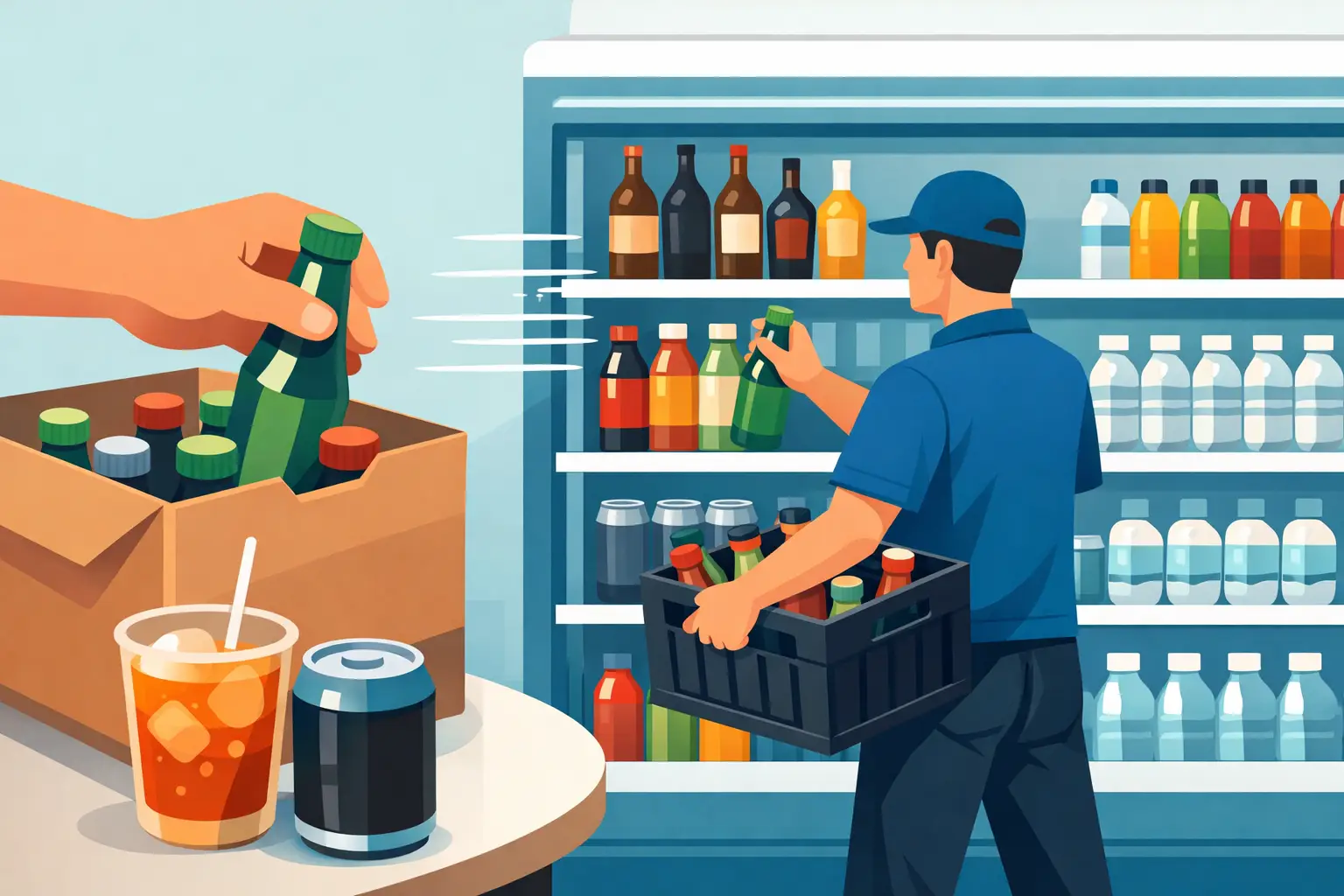
But most late-night alcohol orders are not like that. People generally want familiar brands, beer packs, vodka, tequila, whiskey, rum, wine, coolers, and maybe a few extras like soda or juice. For that kind of practical order, delivery covers what most customers actually need.
This is where convenience beats variety. A slightly smaller but reliable product range is often more useful than a giant store selection you cannot access because it is closed or too far away.
The real advantage is effort saved
People often talk about delivery as a luxury. Late at night, it is usually just efficient.
The biggest difference in delivery service versus liquor store is not the bottle itself. It is the amount of effort required to get it. One option asks you to stop what you are doing, leave, shop, and come back. The other asks you to send a quick order and answer the door.
That difference matters when you are hosting, when weather is bad, when you do not have a car, or when the last thing you want after a long shift is another errand. It also matters in suburban areas where a “quick run” is not always quick.
For customers across Toronto and nearby cities, convenience is not a bonus feature. It is the whole point.
So which one should you choose?
Choose a liquor store when you have time, want to browse, and are buying during regular hours. Choose delivery when speed, late-night access, and staying put matter more.
That is the honest answer. It is not about one option being universally better. It is about what problem you are solving.
If you are planning ahead on a Saturday afternoon, the store is fine. If it is after hours, the drinks are running low, and nobody wants to leave, delivery is the smarter move. Not because it sounds good on paper, but because it works the way people actually need it to work.
The best option is the one that keeps your night simple. If getting what you need without the trip is the goal, the choice gets pretty clear.