Late-night delivery gets a lot easier when your ID is ready before the driver arrives. If you’re wondering what ID is accepted delivery, the short answer is simple: a valid, government-issued photo ID that proves your age and matches the person receiving the order.
For alcohol delivery, that check is not optional. Drivers need to confirm the customer is of legal age and that the ID is real, current, and presented in person at the door. If the ID does not pass that basic test, the delivery can be refused even if the order is already on the way.
What ID is accepted for delivery
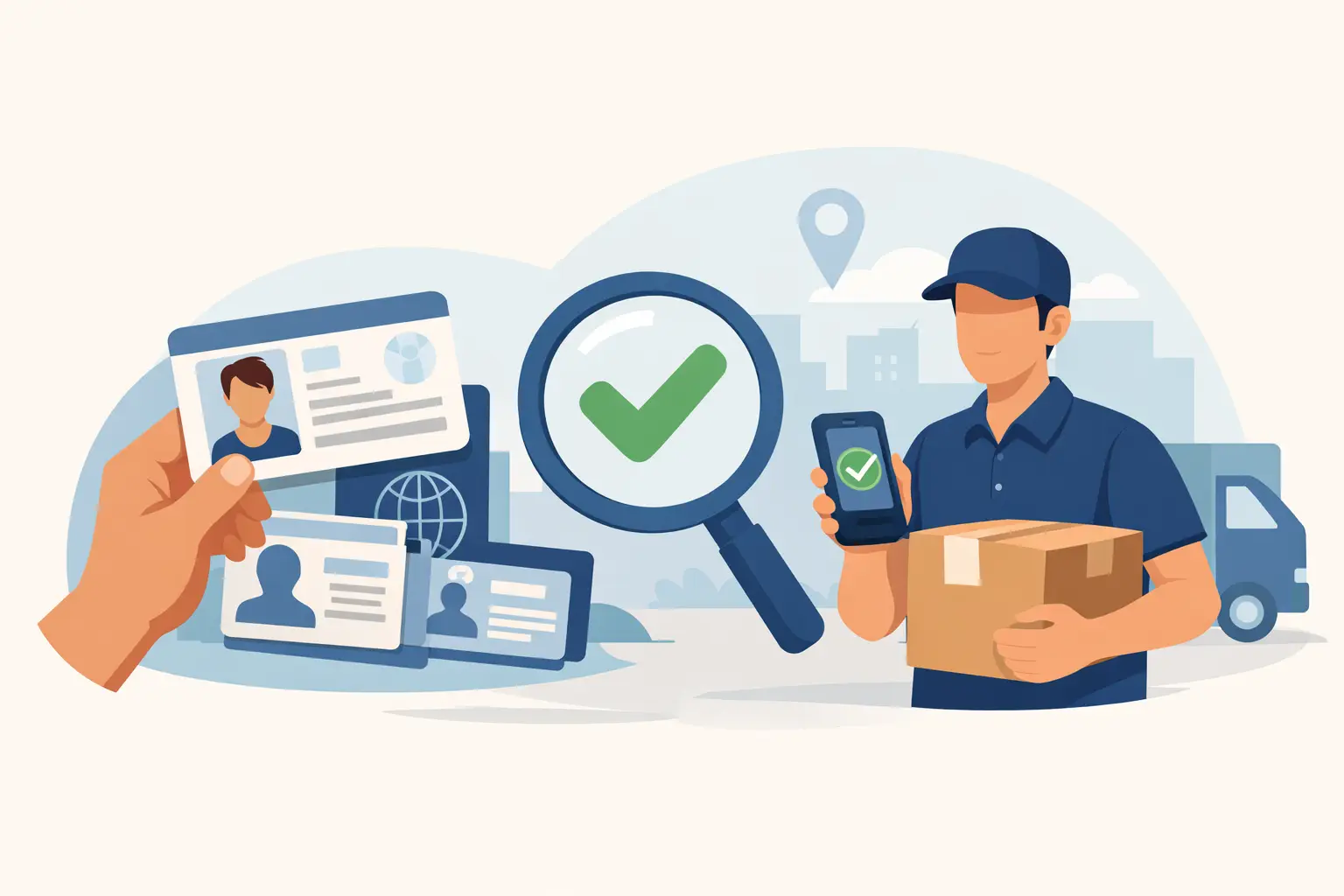
In most cases, the accepted ID for alcohol delivery is a government-issued photo ID with your name, date of birth, photo, and expiration date clearly visible. A driver’s license is the most common example, but it is not the only one.
Accepted forms usually include a state or provincial driver’s license, a non-driver government photo ID, a passport, or a military ID where legally recognized. In Canada, many delivery services also accept provincial photo cards and other official age-of-majority identification, as long as the ID is valid and unexpired.
What matters most is not the type alone. It has to be official, readable, and current. A health card may not be accepted in some cases depending on local rules and company policy. Student IDs, work badges, gym cards, library cards, or photos of identification on your phone generally do not count.
What drivers check at the door
The ID check is usually quick, but it is more than a glance. Drivers are looking for a few specific things before they hand over alcohol.
First, they confirm the date of birth. For legal alcohol delivery, the person receiving the order must be at least the legal drinking age in that area. If the order is being delivered in Ontario, that means 19+.
Second, they check whether the ID is valid and not expired. An expired driver’s license may still prove who you are in everyday life, but many delivery drivers cannot accept it for age-restricted products. If the ID is expired, damaged, or too worn to read clearly, the driver may have to refuse the handoff.
Third, they compare the ID to the person standing in front of them. This is one reason copied IDs and phone screenshots are usually rejected. The driver needs to verify the actual person at the door, not just a name attached to an order.
Finally, they may check whether the order name and recipient make sense together. The person accepting the alcohol should be the one whose ID is shown, or at minimum someone of legal age who is authorized under the service’s rules. Some companies allow a legal-age recipient at the address. Others require the exact purchaser to be present. That part depends on the delivery policy.
IDs that are usually accepted
If you want the smoothest handoff, use one of the standard forms of photo ID that drivers see every day. These are the safest options because they are easy to verify on the spot.
A current driver’s license is the easiest choice for most customers. A government-issued photo card for non-drivers also works in many cases. A passport is widely accepted because it clearly shows identity and date of birth. Military identification may also be accepted where local regulations and company policy allow it.
If you are ordering alcohol late at night and want to avoid delays, have one of those ready before the driver gets there. Do not wait until the driver is outside to start searching through drawers, bags, or your car.
IDs that are often rejected
This is where people get tripped up. The problem is usually not age. It is the form of ID.
A photo of your driver’s license on your phone is often not enough. A screenshot, scan, photocopy, or digital image may be useful for some apps or account setup, but many alcohol deliveries still require the physical ID at the door. The driver needs to inspect the actual document, not a picture of it.
Expired IDs are another common issue. Even if your birthday clearly shows you are over 21 or 19, an expired ID can still be refused because it is no longer valid identification.
Student IDs are also commonly rejected. They may have your photo and name, but they are not government-issued proof of age in the way alcohol delivery standards require. The same goes for employee badges and membership cards.
Damaged IDs can cause problems too. If the photo is scratched off, the birth date is faded, or the card looks altered, the driver may not be able to accept it. From the customer’s side, that can feel annoying. From the driver’s side, it is a compliance issue.
Does the name on the order need to match the ID?
Usually, yes, or at least close enough that the delivery is clearly going to the right person. Some services are strict and require the person who placed the order to be the one answering the door with ID. Others are more flexible and allow another adult of legal age at the address to receive it.
That is why it helps to ask ahead if you are ordering for a group. If your roommate, partner, or friend might be the one answering the door, make sure they are of legal age and have valid ID. Do not assume the driver can leave alcohol with whoever happens to be home.
This matters even more in apartment buildings, condos, and shared houses. If the intercom name, order name, and ID all seem disconnected, the driver may pause the handoff until things are clear. That protects the service and keeps the delivery compliant.
Why delivery services take ID so seriously
Alcohol delivery is built on convenience, but it still has rules. Drivers are not being difficult when they ask for ID. They are doing the job the right way.
Selling or handing off alcohol to someone underage can create serious legal and business problems. So can leaving alcohol unattended or accepting questionable identification. A fast delivery service only works long-term if it stays consistent about age checks.
There is also a safety side to it. Responsible delivery means making sure alcohol goes to a legal-age adult who is actually present. That is part of keeping the process straightforward for everyone.
How to avoid getting refused at the door
Most ID-related refusals are preventable. Keep your physical, government-issued photo ID nearby when you place the order. Make sure it is current and easy to read. If someone else may receive the order, confirm first whether that is allowed and make sure they also have valid ID.
It also helps to answer the door promptly and in person. If the driver cannot verify the recipient, they may not be able to complete the delivery. That is especially true for late-night orders when speed matters and drivers are managing multiple stops.
If you recently renewed your ID and are waiting for the new card, do not assume temporary paperwork will be accepted. Some services can work with temporary government documents if they are official and paired with supporting ID, while others cannot. It depends on policy and local rules, so the best move is to ask before ordering.
A quick answer if you’re ordering tonight
If you’re asking what ID is accepted delivery because your order is coming soon, keep it simple. Use a current, government-issued photo ID such as a driver’s license, official photo card, or passport. Have the physical ID ready. Make sure the person at the door is of legal age. Do that, and the handoff is usually fast.
At ASAP Alcohol, the same rule applies every night: valid 19+ ID is required at delivery. That keeps the process quick, fair, and compliant for everyone.
If you want your order without delays, treat your ID like part of the payment – have it ready before the knock comes.