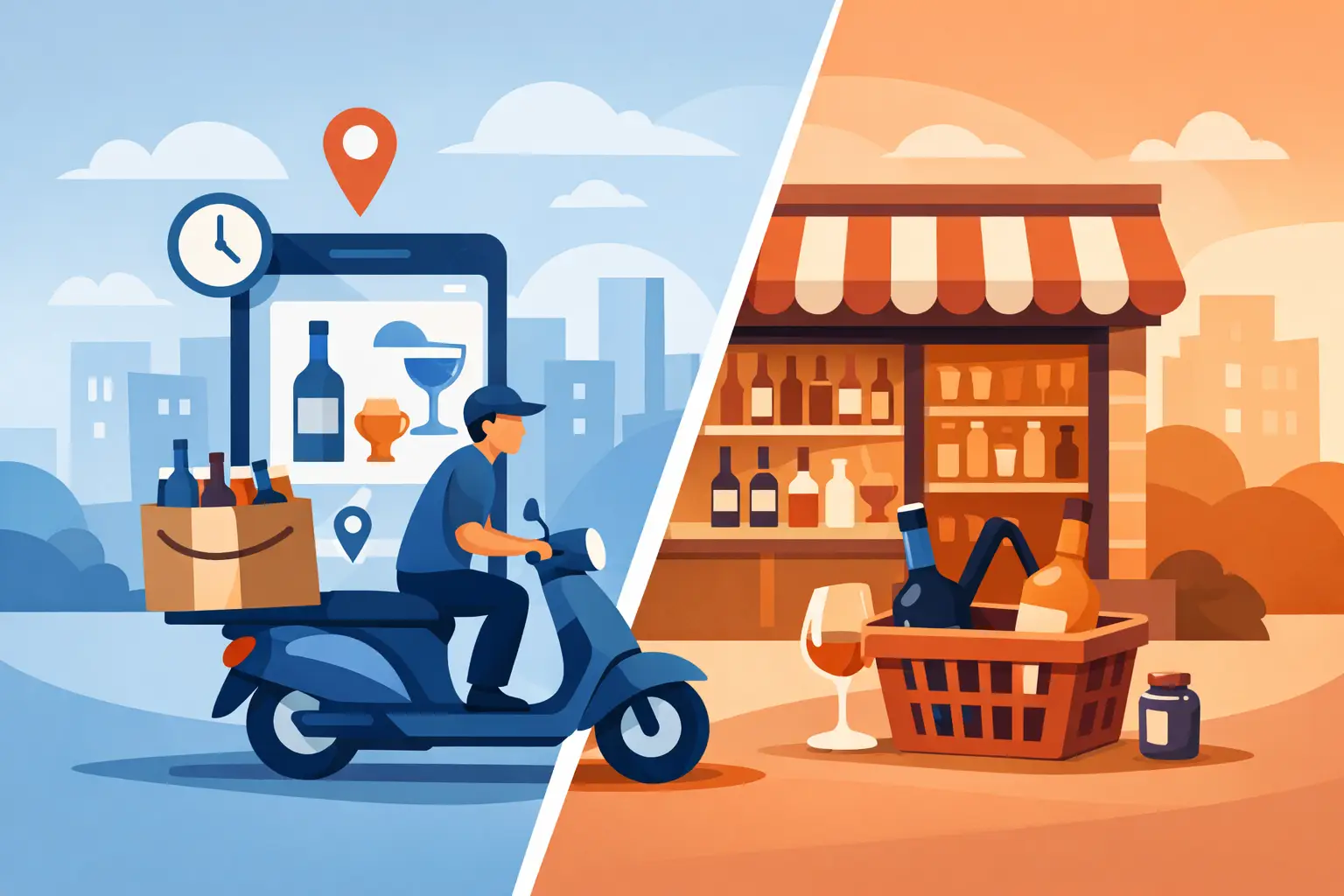
Running out of drinks at 11:47 PM is usually when people start asking how late alcohol delivery works. The short answer is simple: you place an order, confirm what you want, verify your age, pay, and wait for a driver to bring it to your door. The real answer depends on timing, location, inventory, and whether the service is built for speed after normal liquor stores shut down.
If you are ordering late at night, you are not looking for a complicated checkout flow or a long explanation. You want to know whether someone can get beer, wine, liquor, or mixers to you fast, what you need to have ready, and what might slow things down. That is exactly how this kind of service is supposed to work.
How late alcohol delivery works in real life
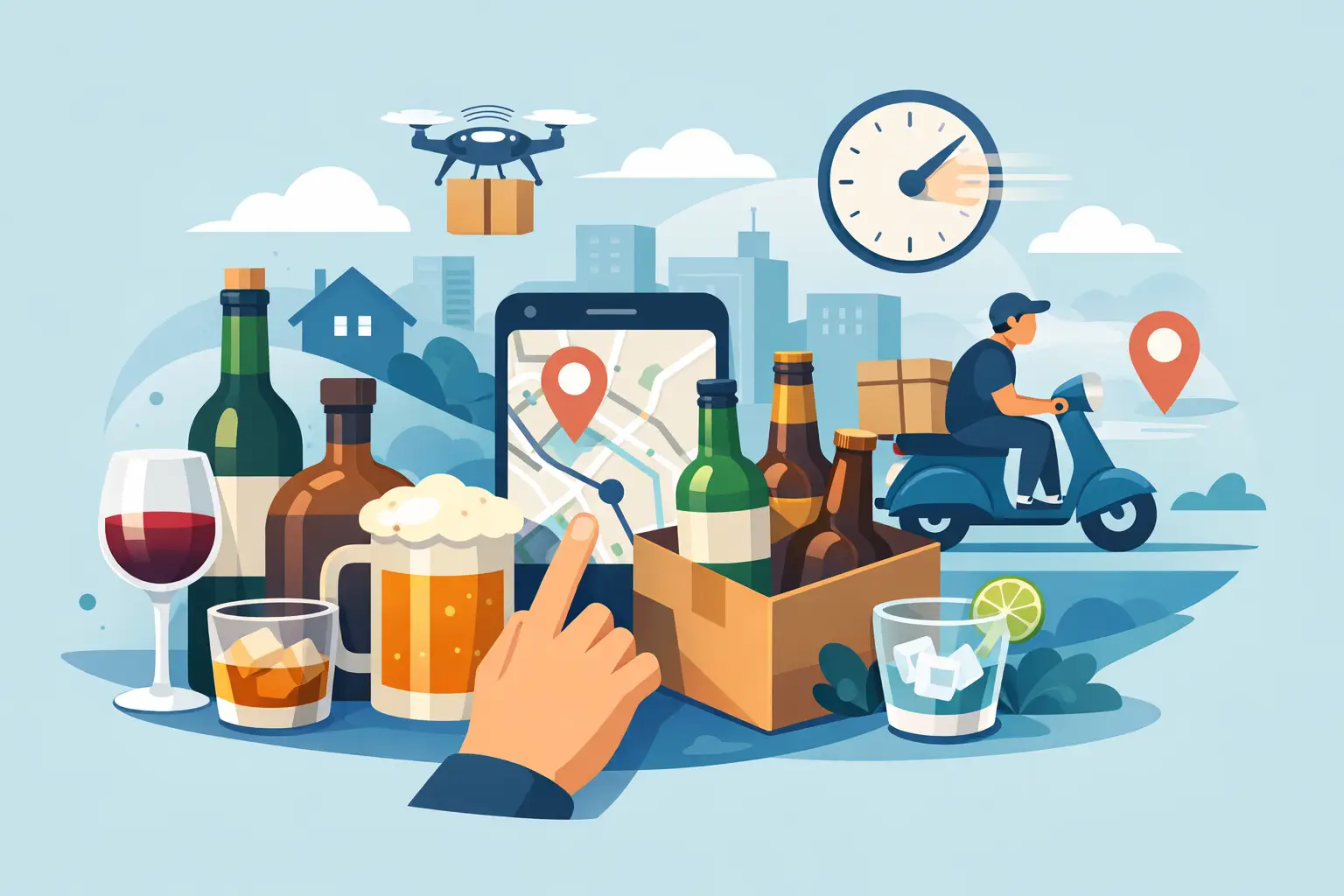
Most late-night alcohol delivery services run on an on-demand model, not a traditional retail browsing model. That means you do not spend ten minutes scrolling through endless product pages and building a perfect cart. You usually text or call, say what you need, confirm availability, get a total, pay, and receive an ETA.
That setup is faster because it cuts out extra steps. If the service is doing its job right, the order process is direct. You ask for a bottle, a case, a few mixers, maybe some extras, and the team tells you what is available right then. Once payment is approved and your delivery details are confirmed, dispatch starts.
For many customers, that speed is the whole point. Late-night ordering is not usually about browsing for a rare vintage. It is about fixing a problem fast – the party kept going, guests stayed longer, you got home late, or you simply do not want to leave the house.
What the ordering process usually looks like
A good after-hours alcohol delivery service keeps the process tight. First, you reach out by text or phone with your order. That might be a bottle of vodka, a 12-pack of beer, a couple bottles of wine, or a larger mixed order with sodas, juice, or cigarettes if those add-ons are offered.
Next comes confirmation. The service checks stock, confirms your address, and gives you the price. Some orders are straightforward. Others take a minute if you ask for substitutions, specific brands, or a larger quantity. If your first choice is unavailable, a fast service will offer a close alternative instead of leaving you guessing.
Then payment is handled. Depending on the provider, that may happen by card, e-transfer, or another approved method. Once that is done, your order is dispatched and you get a time estimate. In many cases, late-night delivery lands in the 30 to 60 minute range, though traffic, distance, building access, and order volume can shift that window.
Why ID matters every single time
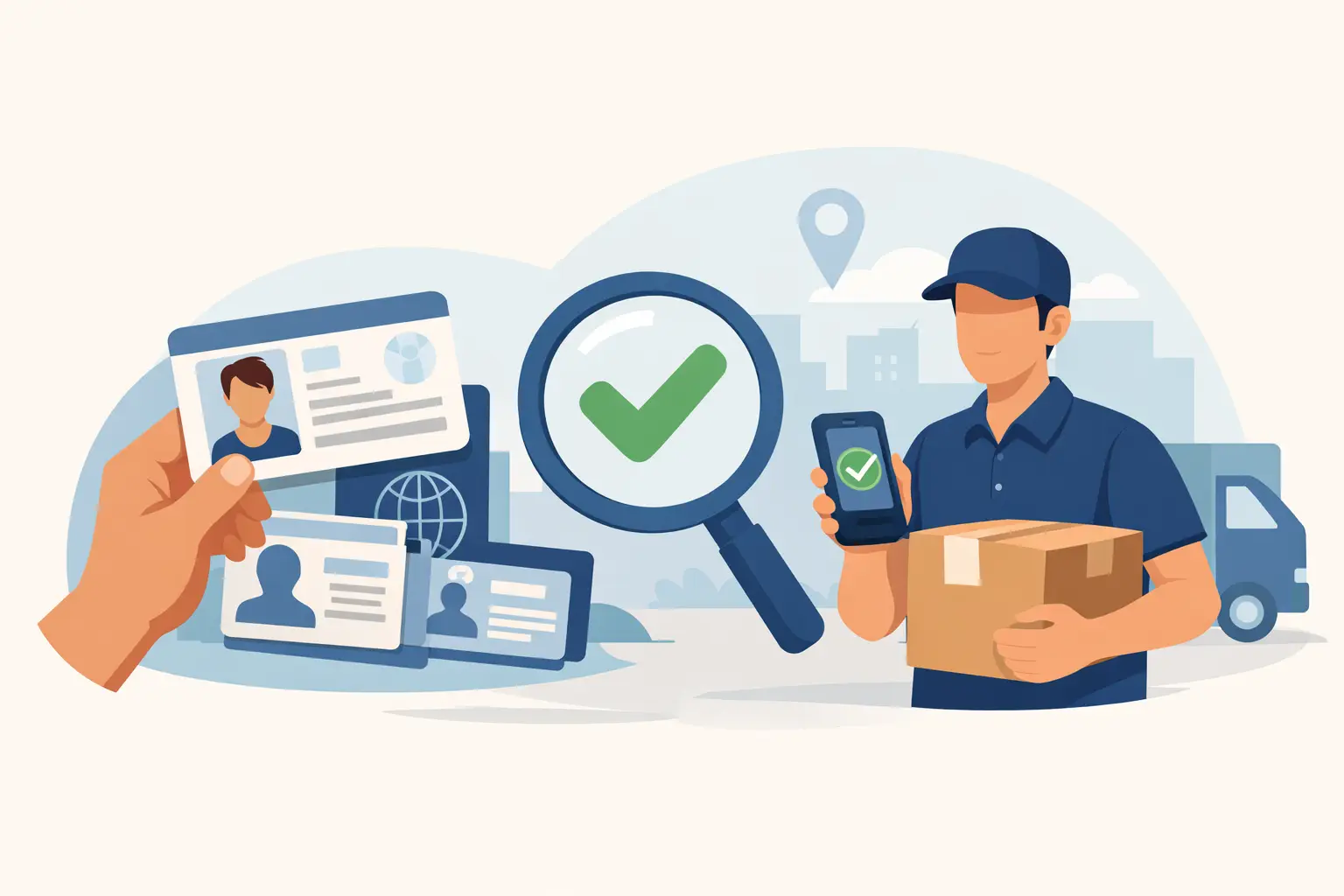
If you are wondering how late alcohol delivery works legally and responsibly, this is a big part of the answer. The person accepting the order has to be of legal drinking age. In Ontario, that means 19+. No ID, no delivery. It is that simple.
This is not a technicality. A legitimate service checks identification at the door and will refuse the handoff if the recipient cannot prove age or appears too intoxicated to receive alcohol safely. That can frustrate people in the moment, but it is part of responsible delivery, and it is one of the clearest signs you are dealing with a real operation instead of a risky one.
The easiest way to avoid delays is to have your ID ready when the driver arrives. Not buried in a bag, not with a friend upstairs, not left in another room. Ready.
What affects delivery speed after hours
People hear “late-night delivery” and assume every order moves at exactly the same speed. It does not. Some nights are easy. Others are busy, weather-heavy, or slowed down by building access and distance.
The biggest factor is where you are. An address in a core service zone is often easier to reach than a far edge of coverage or a location with tricky access. Condos can add time if the driver has to wait at the lobby, deal with security, or struggle to reach the customer. Detached homes are often simpler. So are customers who answer their phone when the driver calls.
Order complexity matters too. One bottle and a mixer is faster to process than a long list with multiple substitutions. Payment issues can also hold things up. If the service has to chase down confirmation or fix an incomplete address, your ETA starts stretching.
Then there is demand. Weekend nights, holidays, and major events can create spikes. A solid service will still move fast, but high-volume windows can push delivery closer to the longer end of the estimate.
What you can actually order
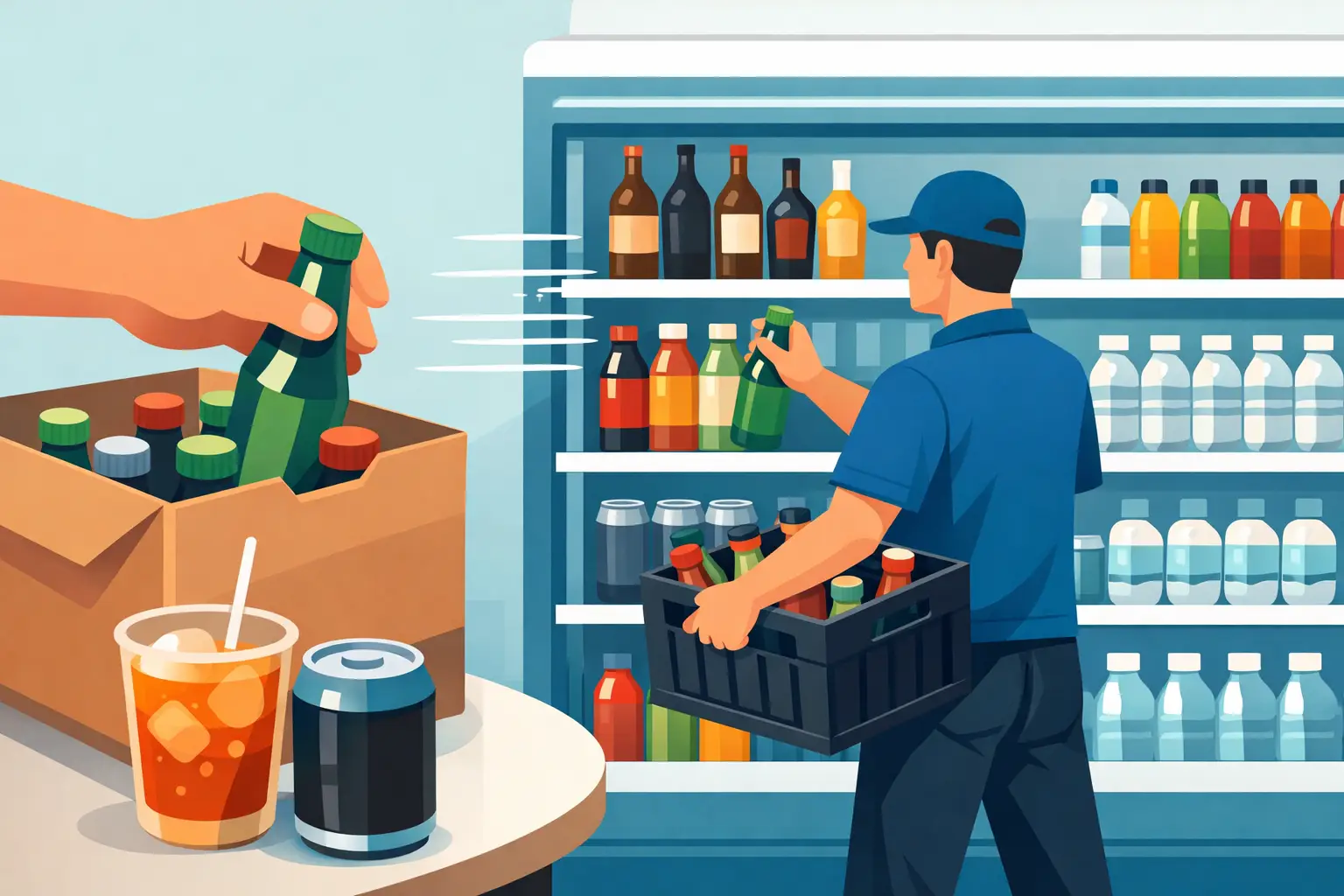
Late-night alcohol delivery is usually built around popular products people want right away. Think beer packs, wine, vodka, tequila, rum, whiskey, coolers, and standard party staples. The goal is not to recreate every aisle of a massive liquor store. The goal is to cover what most customers want after hours and get it out the door fast.
That is why convenience add-ons matter more than people think. If you are already ordering alcohol, being able to add soda, juice, or other basics can save a second stop. For customers hosting people at home, that kind of one-order convenience is a big reason these services make sense.
There is a trade-off, though. You may get speed and convenience, but not endless niche selection. That is normal. Late-night delivery works best when inventory is focused on reliable, high-demand options.
Payment, pricing, and what “fair” really means
One of the first questions customers ask is whether after-hours delivery costs more. Usually, yes, at least compared with walking into a store during regular hours. You are paying for delivery, convenience, speed, and access when most retail options are closed.
That does not mean pricing should feel random. A trustworthy service is clear about what you are being charged before the order is finalized. You should know your product cost, delivery fee if applicable, and total before the driver heads your way.
Fair pricing in this space is less about being the cheapest possible option and more about being transparent. People ordering at 1:00 AM are usually willing to pay for convenience. What they do not want is confusion.
When late alcohol delivery makes the most sense
This kind of service is built for obvious moments. You are hosting and ran out. You got off work late. You do not drive. You do not want to lose your parking spot. The weather is bad. The stores are closed. The night is still going.
It also makes sense for people who value speed over shopping around. If your goal is to compare twelve wine labels, late-night delivery probably is not the best fit. If your goal is to get drinks to your place fast with minimal effort, it fits perfectly.
In places like Toronto and across the GTA, that convenience matters because late nights rarely stay predictable. Plans change. Guests stay. Supply disappears faster than expected. A service like ASAP Alcohol exists for exactly that kind of problem.
How to make your order go faster
If you want the quickest possible turnaround, keep your order simple and your details clear. Send your exact address, include unit or buzzer info, and be specific about what you want. If you are flexible on brand, say so. That makes substitutions easier and avoids back-and-forth.
Keep your phone nearby after placing the order. Drivers and dispatch may need to confirm access or arrival. Have payment sorted out quickly and make sure the person receiving the order has valid ID. Small delays on the customer side are often what turn a fast drop-off into a slow one.
It also helps to order before the situation feels urgent. If everyone is on the last drink already, every minute feels longer. Ordering a little earlier gives you better odds of a smooth handoff.
The difference between a good service and a bad one
The best late-night alcohol delivery services do not overcomplicate things. They answer fast, confirm clearly, give realistic ETAs, and show up with the order you agreed to. They do not make you chase updates or guess whether anyone is actually coming.
Bad service usually shows up in the same predictable ways: vague pricing, no communication, long silence after payment, or weak handling of age verification. At night, reliability matters more than marketing. If a service says 30 to 60 minutes, you want honest updates if conditions change.
That is what customers are really buying – not just alcohol, but certainty when regular options are gone.
Late-night delivery works best when both sides keep it simple: order clearly, confirm quickly, have your ID ready, and use a service that treats speed like part of the product.